
What Smart Home Upgrades Add Resale Value in St. Petersburg’s Historic Neighborhoods Like Old Northeast and Kenwood?
The smart home upgrades that add the most resale value in Historic Old Northeast and Historic Kenwood are the ones buyers can use without seeing them. Those include no-neutral lighting control with period-appropriate keypads, whole-home Wi-Fi hidden in the ceilings, smart climate and leak monitoring, and discreet security. Visible, poorly installed or damaging DIY tech tends to lower value, especially when it cuts into original trim, plaster or historic exterior details.
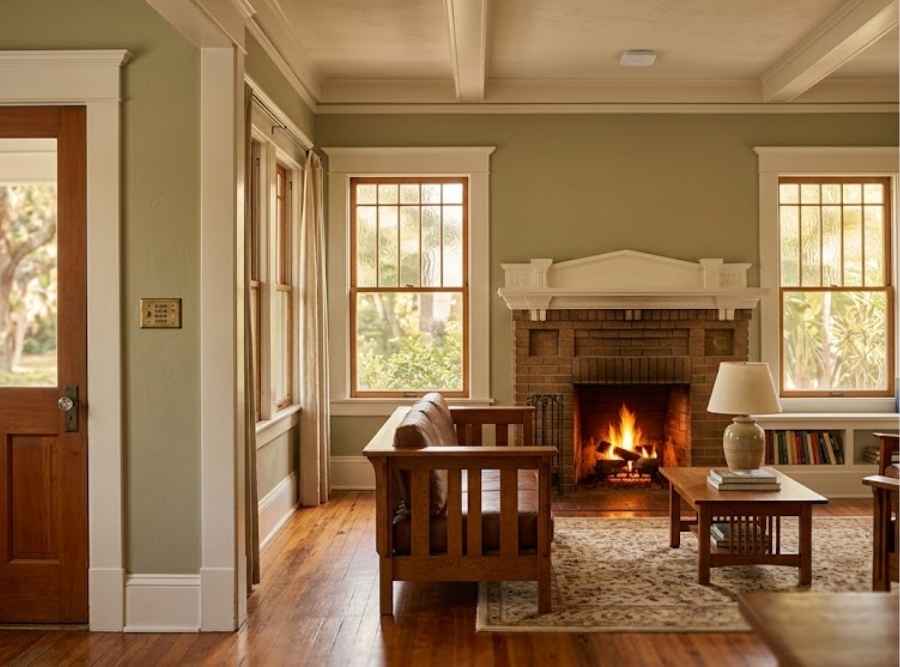
A buyer walking through a 1920s Craftsman bungalow in Kenwood is usually there for the heart-pine floors, the original trim and the front porch. They also expect the house to work like a modern home. The lights should respond, the Wi-Fi should reach the back bedroom, and the air conditioning should be controllable from a phone. The homes that sell best in St. Petersburg’s historic neighborhoods deliver both. The technology is there, but it never competes with the architecture.
The homes that struggle are the ones where modern technology was forced into old construction. Listing agents in Old Northeast see it often. Bright chrome keypads replace original brass hardware, switch plates hide cut plaster, and consumer devices lose connection two rooms from the router. To a buyer or an inspector, those upgrades raise questions instead of adding value. The difference is in how the work was planned and installed, not in how much technology the house has.
Which Smart Home Upgrades Buyers in Historic St. Pete Actually Value
Buyers in historic St. Petersburg neighborhoods tend to reward technology that solves the problems old homes are known for. Unreliable Wi-Fi, limited lighting control and climate management in humid, drafty construction are all common frustrations. Upgrades that address those problems quietly, and that look like they belong in the house, are the ones most likely to be seen as an asset during a showing.
| Upgrade | Why buyers value it | Historic-friendly approach |
|---|---|---|
| Lighting control | Modern convenience in rooms with limited switch locations | No-neutral wireless dimmers with keypads in finishes like brass or bronze |
| Whole-home Wi-Fi | Solves dead zones common in plaster-and-lath homes | Ceiling-mounted Power over Ethernet access points placed out of sight |
| Smart climate control | Comfort and efficiency in older, humid construction | Thermostats matched to the existing HVAC wiring |
| Leak and humidity monitoring | Protects original floors, trim and plaster | Small wireless sensors near plumbing and air handlers |
| Discreet security | Peace of mind without altering the facade | Low-profile cameras and interior-side lock retrofits |
The common thread is restraint. A historic home with a few well-integrated systems usually shows better than one crowded with visible devices from five different brands. Buyers are paying for the architecture first. The best technology makes that architecture easier to live with.
The Misconception: Any Smart Upgrade Raises a Historic Home’s Value
The most common belief we hear is that adding smart technology automatically makes a home worth more. In historic neighborhoods, the opposite can be true. A smart upgrade adds value only when it works reliably, looks appropriate for the home and passes inspection. If any one of those fails, buyers may see the technology as something they will have to remove or repair, and they negotiate accordingly.
Damage to original materials is the fastest way to lose value. Cutting heart-pine trim to fit a modern video doorbell, or carving plaster to make a square switch fit an old box, causes damage buyers can’t undo. Replacing original brass door hardware with a bright modern keypad can clash with the home’s character. It can also make buyers wonder what else was changed. In a neighborhood where original details are part of the price, those losses are hard to recover.
Reliability matters just as much. A house full of consumer devices that lag, drop offline or fight each other for wireless bandwidth tells a buyer the system will be a headache. During inspection, poorly wired smart switches in ungrounded boxes can turn into repair requests or price reductions. The upgrades that hold value are the ones a buyer can test during a showing and trust immediately.
Lighting Control That Works With 1920s Wiring
Lighting is usually the upgrade buyers notice first, and it is also where old wiring creates the most trouble. Many homes built between the 1910s and 1940s in Old Northeast, Kenwood and Roser Park have switch boxes with no neutral wire, and some have ungrounded circuits or original cloth-insulated wiring. Most consumer smart switches need a neutral to stay powered. When they are forced into these boxes, they flicker, buzz, glow dimly or fail entirely. Bulky modern switches also get jammed into shallow 1920s metal boxes, which can pinch wires and create a real fire risk.
The better approach uses lighting systems designed for these conditions. Lutron Caséta and Lutron RadioRA 3 include no-neutral dimmer options that fit older boxes without rewiring every room. Keypads in brass, bronze or other period-appropriate finishes let the controls blend with original hardware instead of standing out against it. Wireless keypads can also add switch locations to rooms that were built with only one, which is a quiet improvement buyers appreciate.
Before any smart lighting goes in, the home’s wiring should be assessed by a licensed electrician. Knob-and-tube wiring, overloaded circuits and older fuse panels need attention before new electronics are added. Many insurers and inspectors flag these conditions whether or not smart devices are installed. Handling the electrical side first protects the home and protects the value of everything installed afterward.
Networking Through Plaster and Lath Walls
Plaster-and-lath walls are part of what makes historic St. Petersburg homes feel solid, but they are hard on wireless signals. Many were built with metal mesh behind the plaster, which blocks Wi-Fi even more effectively. A router in the kitchen might cover one or two rooms and leave the rest of the house with weak or no signal. Every smart device in the home depends on that network, so a poor connection makes even well-chosen equipment seem unreliable.
The solution is a properly designed network rather than a stronger router. Ceiling-mounted access points powered by Power over Ethernet can be placed discreetly in each area of the home. Cables are run through attics, closets and existing chases rather than through finished plaster. That gives the whole house strong, consistent coverage without visible equipment on shelves or walls. It also reduces the interference that builds up when multiple consumer devices crowd the same wireless bands.
For buyers, strong Wi-Fi is often treated as a basic expectation, not a luxury. A historic bungalow where video calls drop in the home office or the back bedroom has no signal can feel dated despite its charm. Solving that problem invisibly is one of the most practical upgrades a seller can make. It also supports every other system in the house, from lighting control to climate and security.
Climate, Leak Monitoring and Locks in Humid Historic Homes
St. Petersburg’s humidity, often between 75 and 90 percent, works against historic homes year-round. Original wood doors and windows swell in summer, and moisture threatens heart-pine floors and plaster walls. Smart climate control helps manage those conditions. It needs to match the home’s HVAC wiring, though, since many older homes lack the C-wire that most smart thermostats need for steady power. Compatible thermostats or proper power adapters prevent the random reboots and control board problems that come from improvised wiring.
Leak and humidity monitoring is one of the most underrated upgrades for a historic home. Small wireless sensors near water heaters, sinks and air handlers can alert owners to a leak before it damages original flooring or plaster. That is especially valuable for seasonal residents who buy historic bungalows and leave them empty for months at a time. Buyers in that category often look for remote monitoring specifically, because an undetected leak in an empty house is their biggest concern.
Smart locks need extra care on historic doors. Humidity shifts settling wood frames and mortise pockets, and a smart deadbolt forced into a misaligned door will grind, drain batteries and eventually burn out its motor. A jammed lock can even report the door as locked when it isn’t. Retrofit modules that attach to the interior side of the existing lock preserve the original exterior hardware, and correcting door alignment first keeps the lock reliable across the seasons.
Exterior Technology and Historic Preservation Review
Some of St. Petersburg’s historic neighborhoods include areas with local historic designation, where exterior changes may need review through the city’s historic preservation process before work begins. Visible alterations to a facade, porch or front entry can raise concerns. Surface-mounted cameras on original trim or modern hardware that changes a historic door’s appearance are common examples. Owners in Old Northeast, Kenwood and other historic areas should confirm with the city whether their property falls under review before planning exterior technology.
Even where formal review doesn’t apply, exterior restraint protects value. Buyers drawn to a historic streetscape tend to notice modern devices that break up original porch details or brick and wood surfaces. Low-profile cameras placed under eaves, doorbell options that fit existing trim without cutting it, and finishes that match surrounding hardware keep the home’s street presence intact. The goal is security that works without announcing itself.
Coastal exposure adds another reason to plan exterior equipment carefully. Homes near the Old Northeast waterfront and Snell Isle face salt air that corrodes exposed metal contacts on doorbells and keypads. Pinellas County’s frequent summer lightning also damages exterior and ungrounded equipment, which is why whole-home surge protection belongs in any historic home technology plan. Equipment that holds up to the climate is equipment that still works when the house goes on the market.
Upgrading Before Listing or Fixing During Inspection
| Timing | What the work usually involves | Relative cost |
|---|---|---|
| Planned before listing | No-neutral lighting, hidden networking and period-matched hardware | Moderate, with the strongest return |
| Fixing during inspection | Rewiring damaged boxes, repairing cut plaster and correcting grounding before closing | High, under time pressure |
| Worst case | Preservation violations plus restoration of damaged original trim or doors | Highest |
Planning upgrades six months or more before listing gives time to design, install and live with the system before buyers see it. Rushed work in the weeks before an inspection is where most of the costly mistakes happen.
The Paradise Systems Difference
Most technology problems in historic homes come from treating a 1920s house like a new build. Paradise Systems starts with the house itself. We assess the wiring, the wall construction, the doors and the home’s architectural character before recommending any equipment. That order is what allows modern systems to work reliably without damaging the details that give a historic home its value.
In practice, that means choosing lighting systems built for no-neutral boxes and finishes that suit original hardware. It also means designing networks that reach every room through plaster walls without visible equipment. We match thermostats and locks to the home’s actual wiring and door conditions rather than forcing standard devices into old construction. When electrical issues need attention, we coordinate with licensed electricians so the foundation is sound before new technology goes in. The result is a home where technology feels like it was always meant to be there.
We also think about the next owner. A system that is documented, reliable and easy to transfer is far more appealing to a buyer than one only the current owner understands. We work with historic homeowners across St. Petersburg, Tampa and the rest of Tampa Bay, including sellers preparing to list and buyers modernizing a home they just purchased.
Frequently Asked Questions About Smart Upgrades in Historic St. Petersburg Homes
Will smart home technology hurt the resale value of a historic home?
It can if the installation damages original materials, looks out of place or works unreliably. Cut trim, carved plaster and modern hardware that clashes with the home’s character can make buyers see the technology as a cost rather than an asset. Discreet, reliable systems that preserve original details usually have the opposite effect. How the work is done matters far more than how much technology is added.
Do smart switches work with old wiring in a 1920s bungalow?
Many consumer smart switches need a neutral wire, and older St. Petersburg homes often don’t have one in their switch boxes. Forcing those switches in can cause flickering, buzzing or overheating. No-neutral systems such as Lutron Caséta and Lutron RadioRA 3 are designed for these situations. A licensed electrician should assess the wiring first, especially if the home has ungrounded circuits or knob-and-tube wiring.
How can I get Wi-Fi through plaster walls?
A single router rarely covers a plaster-and-lath home, especially if the walls have metal mesh behind them. The most reliable solution is a set of ceiling-mounted access points connected with Ethernet cabling. Cables can usually be run through attics and closets without cutting finished plaster. This gives consistent coverage in every room without visible equipment.
Can I install a smart lock without replacing my original door hardware?
Often you can. Retrofit smart lock modules attach to the interior side of an existing deadbolt, which keeps the original exterior hardware in place. On older wood doors, alignment should be checked first, since humidity can shift the frame and cause any smart lock to bind. A properly aligned door keeps the lock reliable and protects the motor from early failure.
Do I need approval to add cameras or a doorbell to a historic home in St. Petersburg?
It depends on whether the property falls under local historic designation. In designated areas, visible exterior changes may need review through the city’s historic preservation process before installation. Check with the City of St. Petersburg before adding exterior equipment. Even where no review applies, low-profile placement protects the home’s appearance and appeal to buyers.
Planning Upgrades for a Historic St. Petersburg Home
If you own a historic home in Old Northeast, Kenwood or another older St. Petersburg neighborhood, the best time to plan technology upgrades is well before you list. A walkthrough can show which systems will work with your home’s wiring and walls, and what buyers in your neighborhood are likely to value. It also shows how to add modern convenience without touching the details that make your home worth what it is. Paradise Systems is available to help historic homeowners across St. Petersburg and Tampa Bay plan upgrades that add value rather than risk.